
Pet Screens for Claws and Noses
Heavier vinyl-coated polyester mesh for the screen doors and low windows your dog or cat leans on, rescreened on site in Honolulu and around Oahu, with every trade-off explained first.
Heavier cloth, fitted across Honolulu
Pet-resistant screen is not just thicker fiberglass. It is a different fabric, stiffer and fussier to roll in, and it needs a smaller spline than the cord that came out of your frame. Those details are most of the job.
Spline sized to the groove
Thick pet cloth fills part of the channel by itself, so we match a thinner spline to your frame instead of reusing the old size.
Placed where pets reach
We suggest it for screen doors and windows low enough for a nose or a paw, and keep lighter mesh up high for the breeze.
Frame checked before cloth
Heavy fabric pulls hard on a flimsy roll-formed frame. If the rails are bent, a replacement screen may beat a rescreen, and we say so.
Claims kept honest
The cloth shrugs off far more than insect mesh does. It is not claw-proof, and no test standard for pet resistance exists.
Pet mesh or fiberglass: what do you give up?
| Feature | Pet-resistant mesh | Standard 18x16 fiberglass |
|---|---|---|
| Yarn | Vinyl-coated polyester | Vinyl-coated glass |
| Thickness | About .036 in. | About .0125 in. |
| Burst rating | 538 psi | 92 psi |
| Open area for breeze | About 36 percent | About 59 percent |
| View through it | Slightly duller | Clearer |
| Installing it | Stiff, needs a thinner spline | The easiest cloth to roll in |

Where should pet mesh go in an Oahu home?
Put it on the screens your animals can reach: the lanai screen door, a sliding patio screen and any window close to the floor. Everywhere else, standard fiberglass is usually the smarter cloth, and the reason is air. Pet mesh is only about 36 percent open against roughly 59 percent for 18x16 fiberglass, and in the warm months Oahu's trade winds blow most of the time, so a high window earns its keep by moving breeze. Down low, strength wins instead: a 538 psi burst rating against 92. We rescreen windows, sliding and hinged doors, lanai panels and jalousie screens island-wide, in fiberglass, pet or solar mesh.
- ✓ Lanai screen doors
- ✓ Sliding patio screens
- ✓ Floor-level windows
- ✓ Thinner matched spline
- ✓ No metal to corrode
- ✓ Fiberglass up high
Is it time to switch to pet mesh?
Across Honolulu, some screens fail from age. Others fail because a dog wants out or a cat wants up. These six patterns say the cloth itself is the problem.
Shredded lower corner
The bottom third of a screen door takes every scratch to be let out. Repeat tears in the same spot point straight to pet cloth.
Mesh popped from groove
A dog that leans or jumps can push standard cloth out of its spline. Heavier fabric with a correctly sized spline resists that push much better.
Climbing bulges
Hooked threads and stretched pockets where a cat climbs mean the fiberglass has already lost its tension and will keep sagging.
Patch on patch
If a door screen already carries several patches, rescreening the whole panel in tougher cloth is often cleaner than adding one more.
Brittle, faded fiberglass
Sun breaks down the vinyl coating and the glass yarn turns brittle underneath. Old cloth like that tears at the first paw.
A new pet coming
Bringing home a dog or cat? Switching the door screens before the damage starts beats patching it afterward.
What happens during a pet rescreen?
Same frame, tougher fabric. The work looks like any rescreen, but the material changes the spline, the tension and the patience required.
Check each screen
We look at which screens your pets really reach, test frames for bends and loose corners, and measure the spline channel on each one.
Match the materials
Pet cloth calls for its own, smaller spline because the thick fabric fills part of the groove. Cloth and cord are chosen together, never separately.
Written price
Each screen gets its own line, with the mesh named, in a written quote you approve before the old cloth comes out.
Rescreen on site
Old spline out, channels cleaned, cloth cut oversize with nicked corners, new spline rolled in under steady tension, then the excess trimmed with a fresh blade.
Screens and doors we repair on Oahu
Rescreening, new screens, doors, sliders and lanais, plus solar screens for sun-facing glass. See what screen repair costs.
Window Screen Replacement
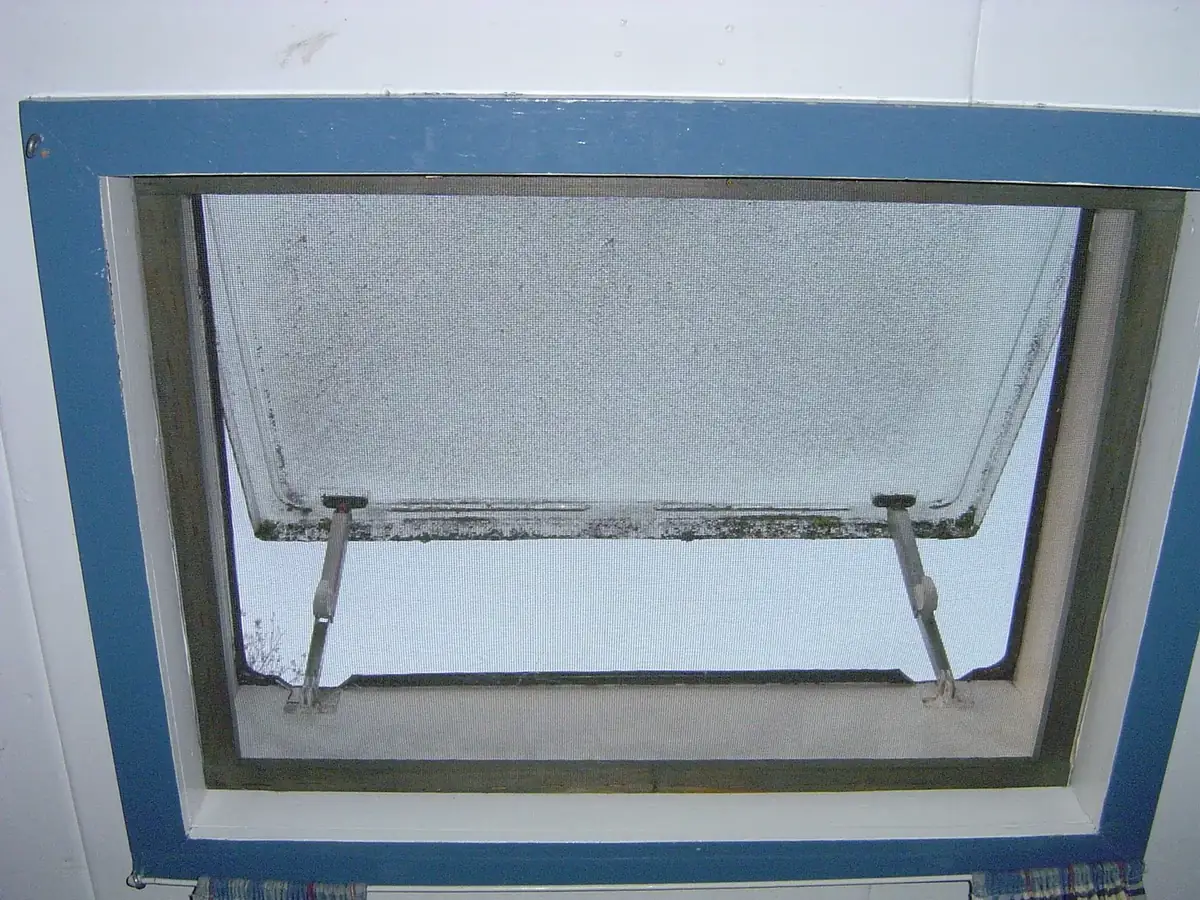
New frame and mesh when the old frame is bent, split or eaten by corrosion.
Learn more →Screen Door Repair
Hinged screen doors rescreened, squared up and fitted with working closers.
Learn more →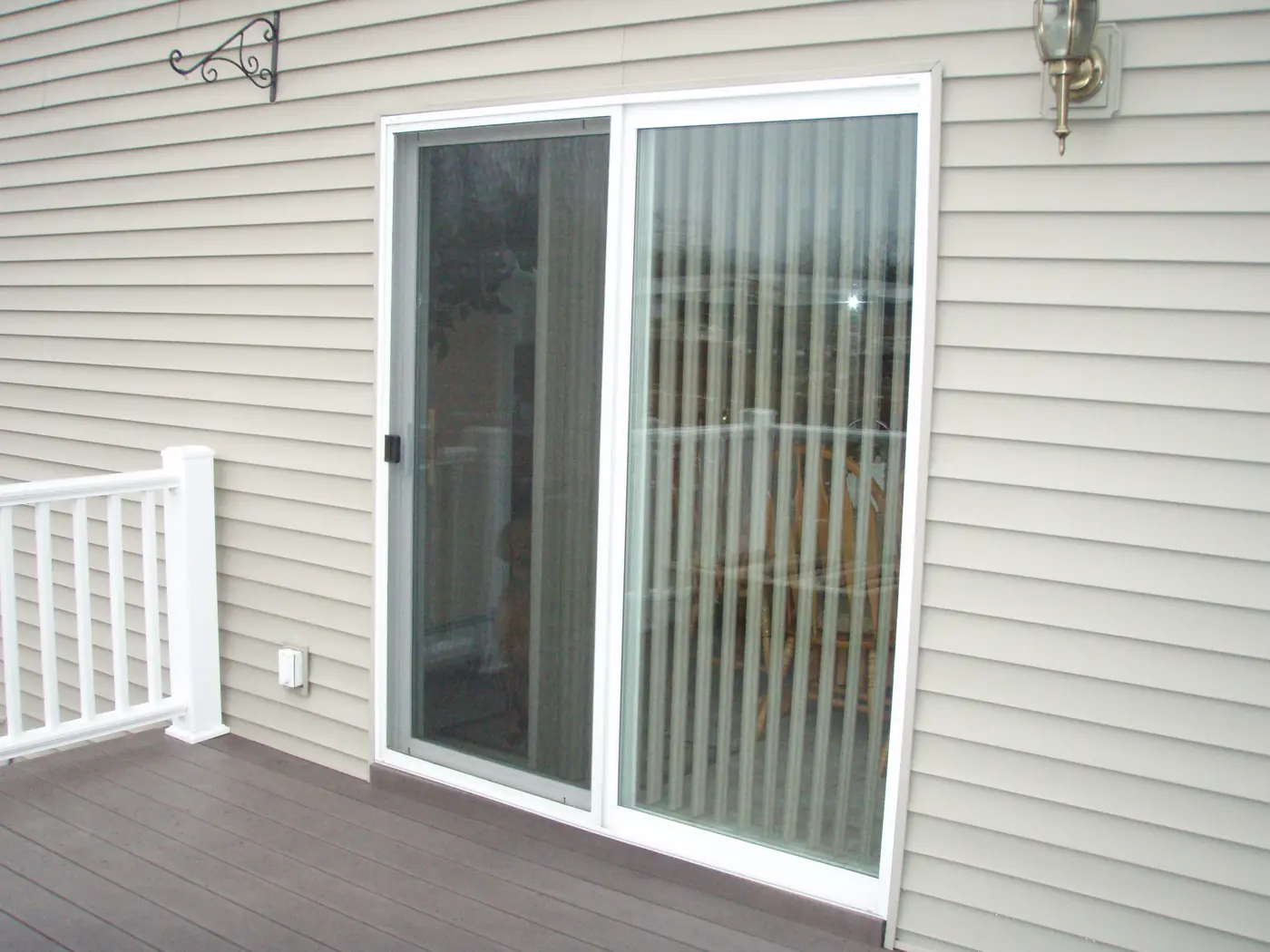
Sliding Screen Doors
Rollers, tracks and panels for patio sliders that scrape or jump the rail.
Learn more →
Lanai Screen Repair
Wide lanai panels rescreened with mesh chosen for salt, sun and view.
Learn more →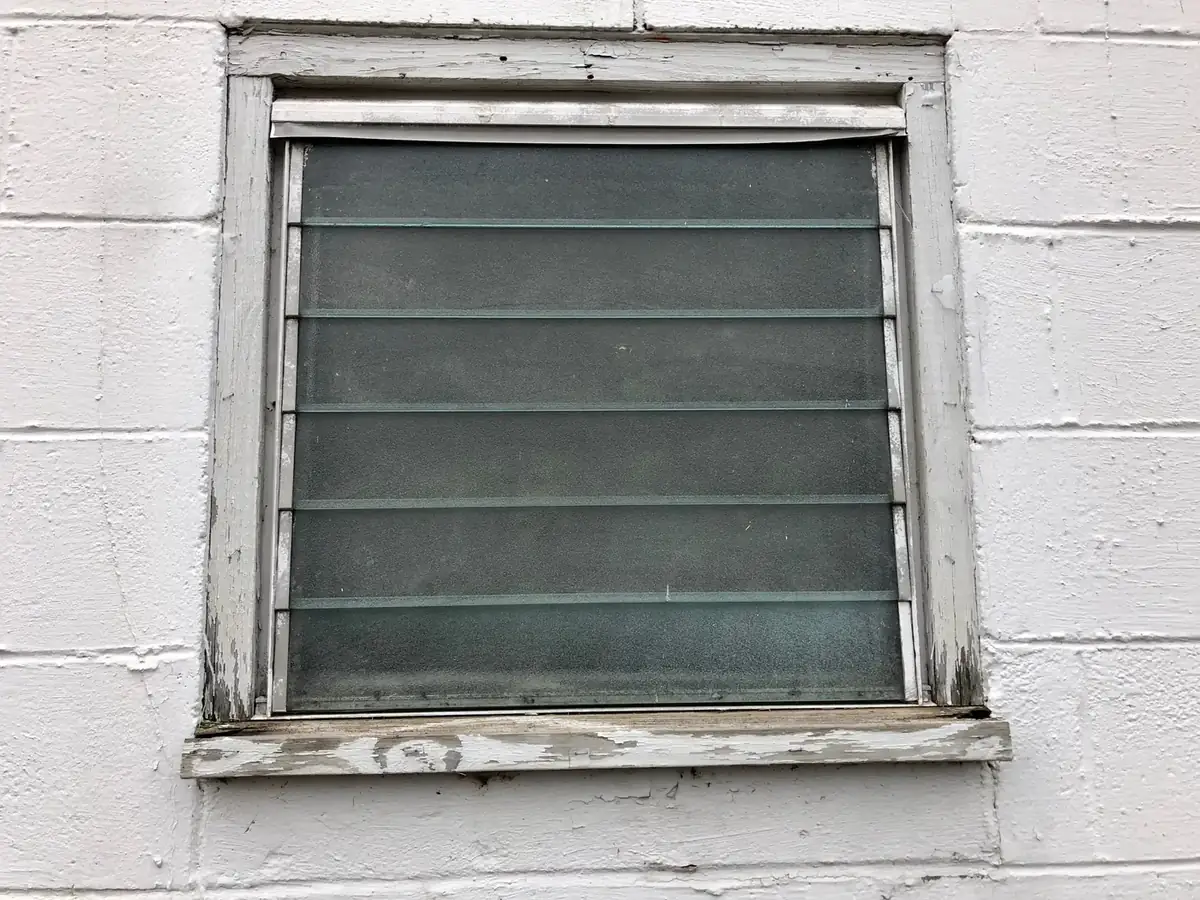
Jalousie Window Screens
Inside and outside jalousie screens built on heavy extruded frames.
Learn more →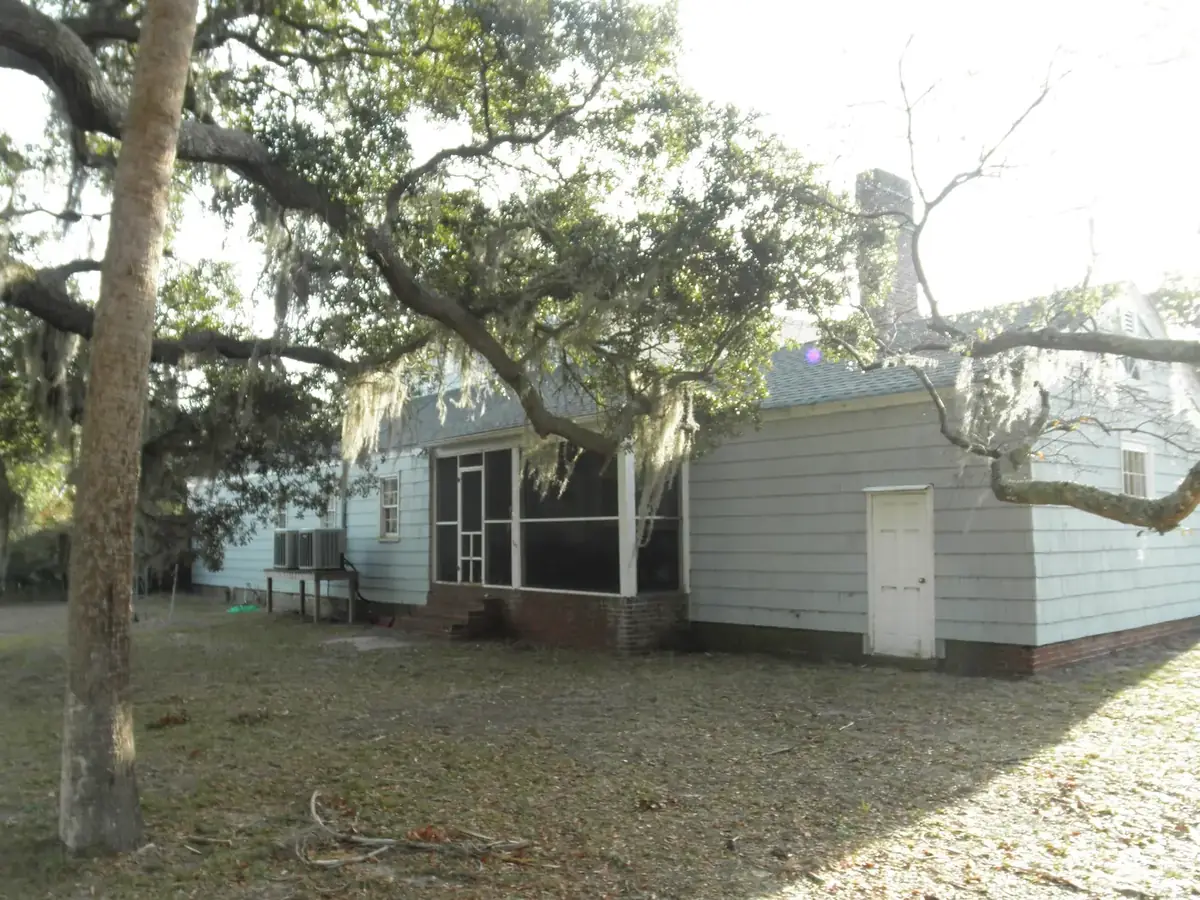
Retractable Screens
Roll-away door screens and wide-opening units, fitted and adjusted.
Learn more →
Security Screen Doors
Steel grille and stainless mesh doors, with grade chosen for the coast.
Learn more →Pet Screens
Tough vinyl-coated polyester for doors and low windows with pets.
Learn more →Pet screen questions from Oahu homes
Tired of patching the same door?
Tell us which screens your dog or cat goes after and roughly how big they are. We will suggest where pet mesh earns its place and price it screen by screen.